


Data summary on BTC and ETH chains in 2019


BTC articles:
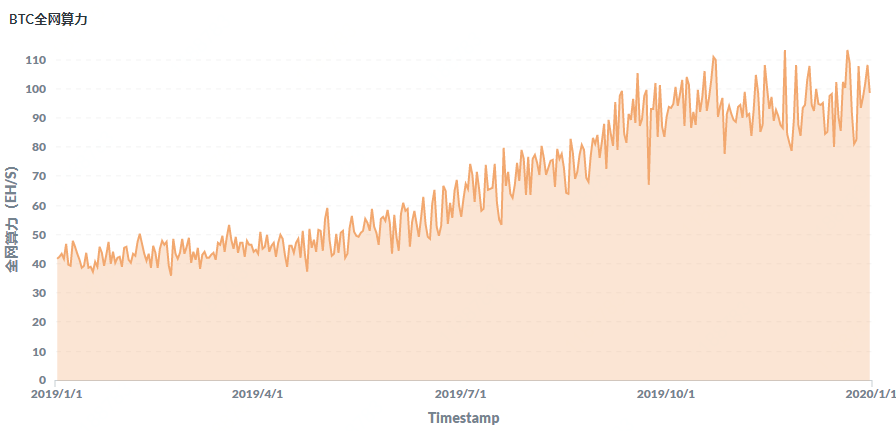
In 2019, the computing power of the entire BTC network continued to rise, breaking through the 100EH/S mark for the first time on September 18, and continued to fluctuate around 100EH/s throughout the fourth quarter. The reason is precisely the upcoming BTC production cut in 2020. It is expected that at the beginning of 2020, with the approach of production reduction, the computing power of the BTC network will reach a new high.
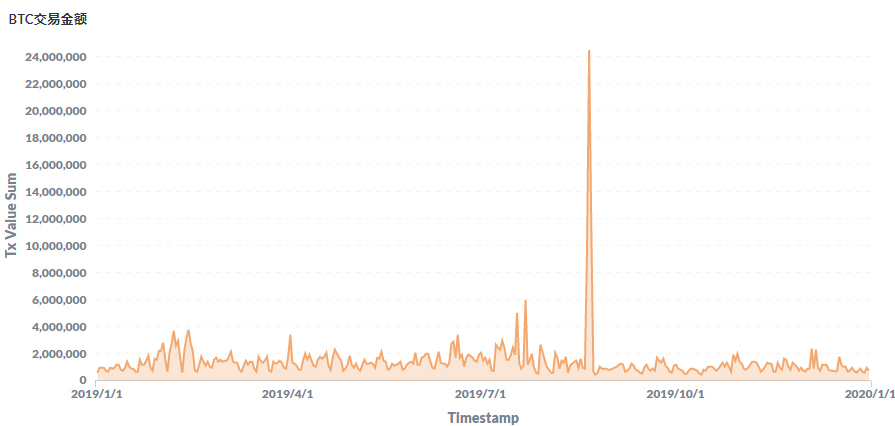
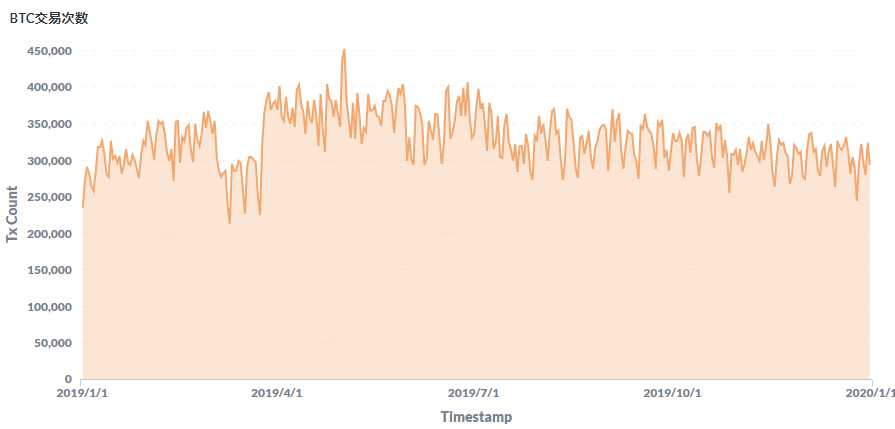
In 2019, the daily on-chain transaction volume of BTC reached 1,415,469.2 BTC, an increase of nearly 30% compared to the daily on-chain transaction volume of 1,156,085 BTC in 2018. The number of daily on-chain transactions is 328,269, an increase of 47% month-on-month. The increase in transaction activity on the BTC chain is closely related to the following reasons: BTC prices opened low and went high in 2019, experienced several small climaxes in the second half of the year, and finally stabilized at the $7,000 mark, compared with the price of more than $3,000 at the end of 2018 , investors are more optimistic about the digital currency market this year; at the same time, affected by the Chinese government's policies, the concept of blockchain technology has undergone a large-scale popularization in China in the second half of this year, bringing a lot of fresh blood to the digital currency market.
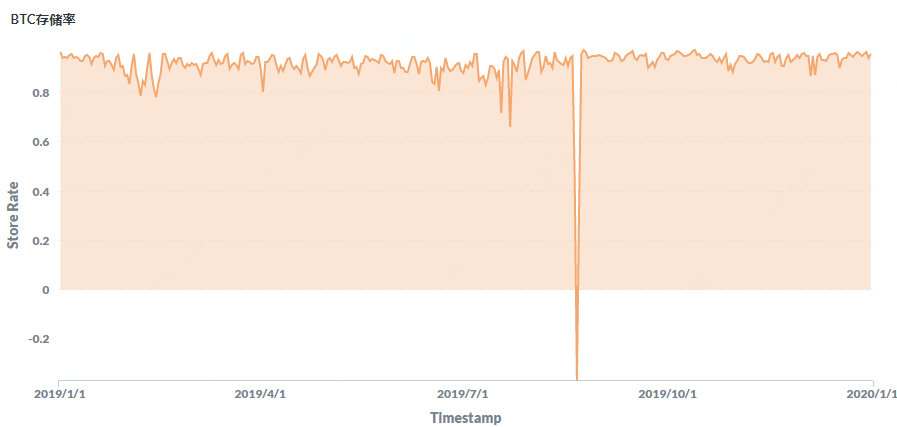
The storage rate of BTC showed negative storage on August 21. As can be seen in the first picture, the transaction amount on the BTC chain on August 21 showed an extremely exaggerated large amount of data. On this day, a large amount of BTC was repeatedly transferred between addresses, which caused the above phenomenon
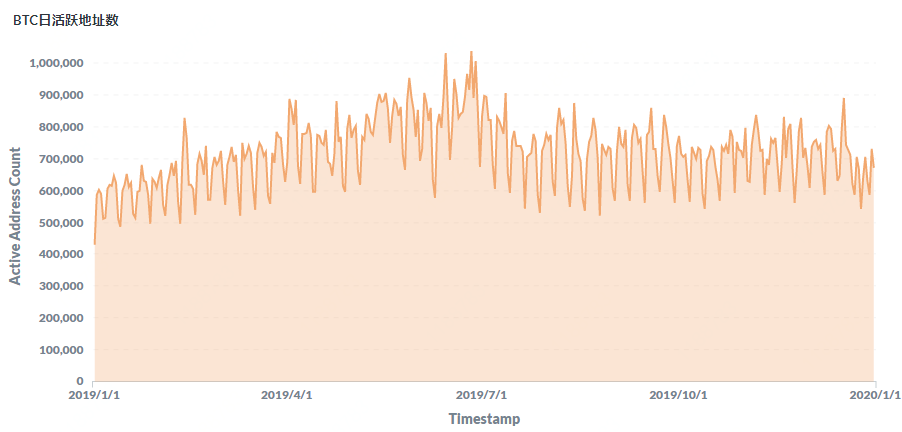
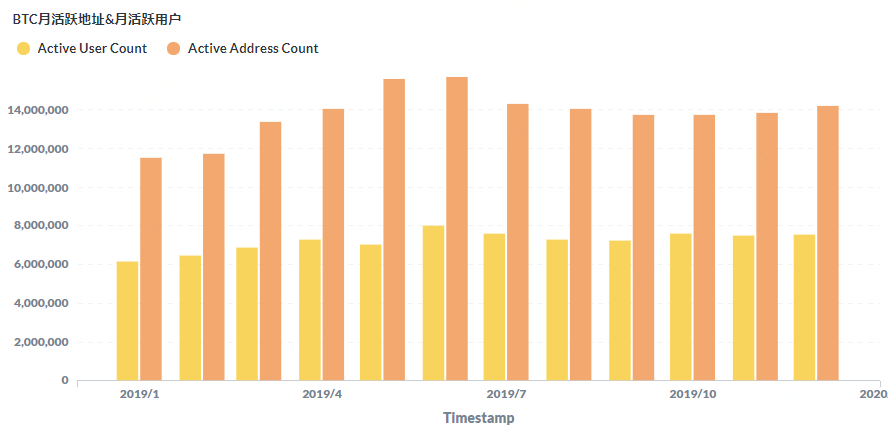
In terms of the number of daily active addresses throughout the year, 2019 showed a periodic fluctuation trend, and its general trend was proportional to the currency price. The JD Cloud BDS team deduplicated BTC addresses and obtained BTC user data (one user holds multiple addresses). The figure below shows the number of monthly active users and monthly active addresses of BTC in 2019. It can be seen that Each BTC holder has about 2 BTC addresses.
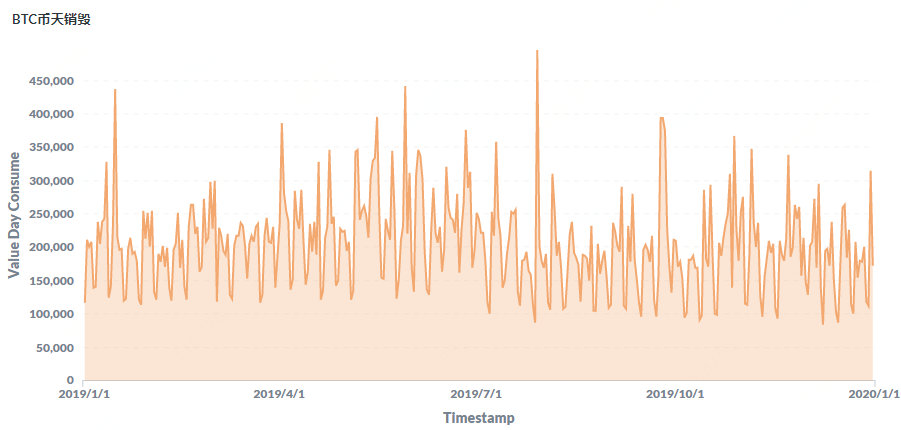
Currency days = amount of currency held * currency holding time, this data reflects the real transaction activity and the awakened amount of dormant currency
Data on the ETH chain:
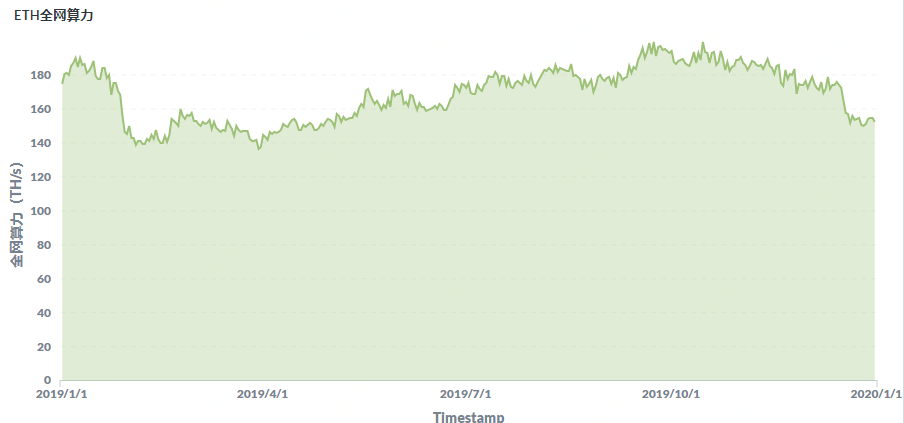
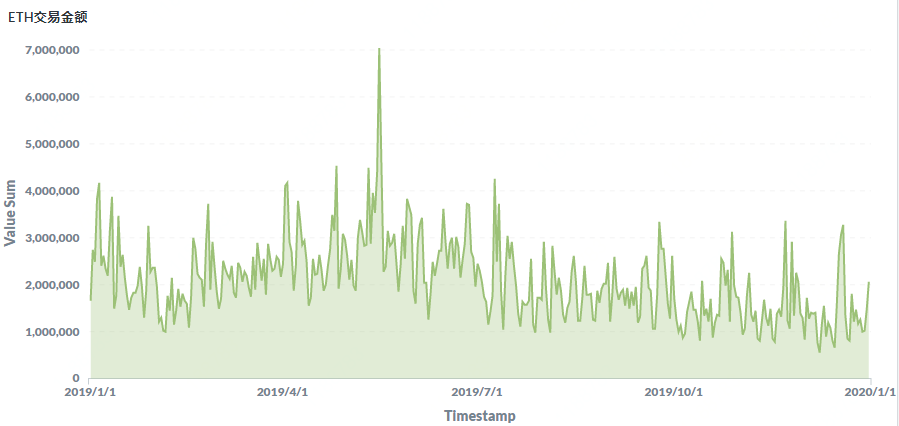
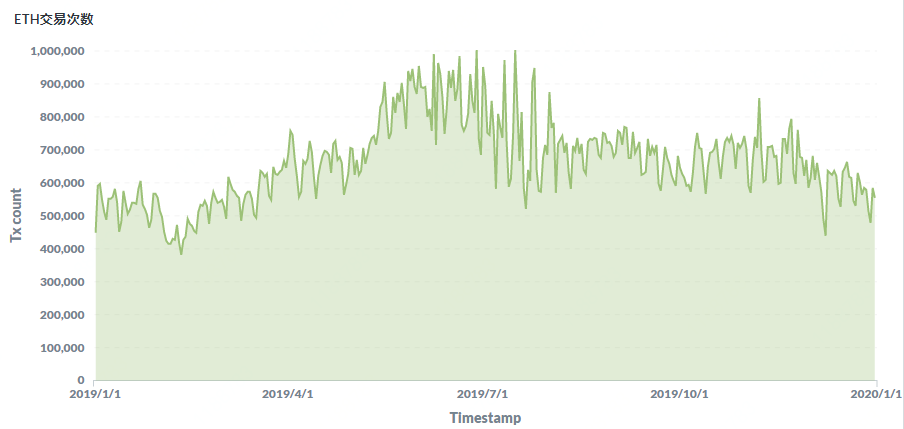
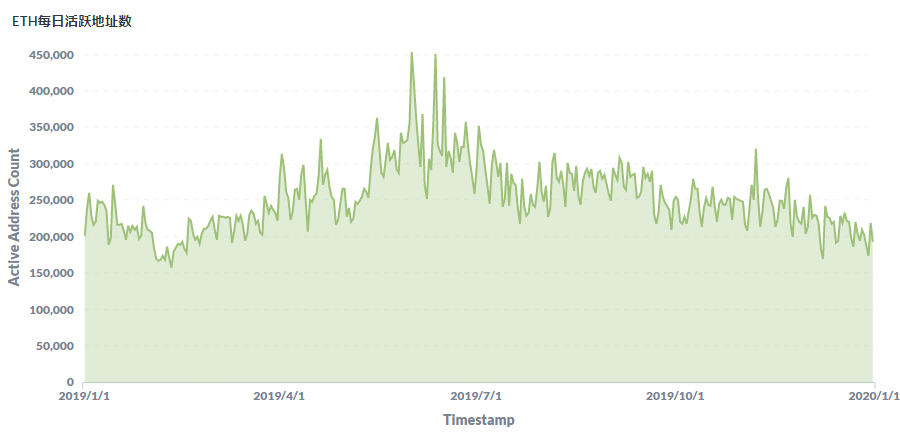
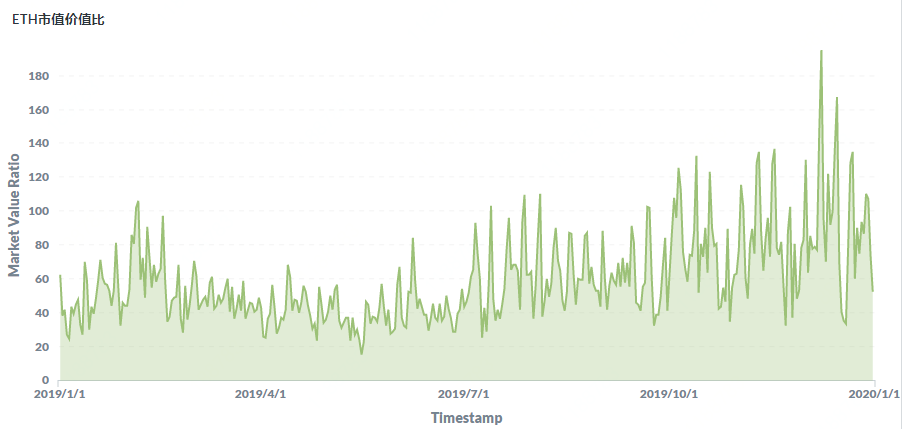
The above data comes from JD Cloud Blockchain Data Service [BDS].
JD Cloud stores the chained and unstructured data of the blockchain in a structured way through technical means, and synchronizes them to a high-performance database in real time, and accordingly launches a visual blockchain data query service (BDS) to help Users complete simple conditional queries and complex native SQL queries. Features
. Covers dozens of well-known blockchain projects such as BTC, ETH, EOS, LTC, XRP, BCH, etc., and customizes 100+ exclusive data indicators involving users, transactions, blocks, etc., and can query real-time data on the chain when connected to the Internet. Ready to use, convenient and fast.
. Supports standard SQL query statements, and can easily realize complex query logic; relying on JD Cloud's software, hardware and architecture support, it also has the characteristics of fast query speed and high query efficiency.
. Support graphical and visual interfaces, and conduct data query through interactive methods of clicking and dragging, and can generate various BI charts in real time.
Product Portal:https://bds.jdcloud.com/
Github open source address:https://github.com/jdcloud-bds/bds
Pay attention to the JD Cloud BDS WeChat official account and get timely access to the most abundant chain data analysis in the blockchain industry