"You can use NFT to sell any digital product: virtual Mavericks equipment, sneakers, artwork, pictures, videos, experiences, everything we can think of." -Mark Cuban, one of the most famous investors in the United States.
Over the past few months, NFTs have been the topic of global discussion and a strong contender to grab the cryptocurrency spotlight in 2021. The history of the crypto world is relatively short: the ICO boom in 2017, the smart contract era in 2017-18, the stablecoin era in 2018-19, and the DeFi boom in 2020.What are NFTs?
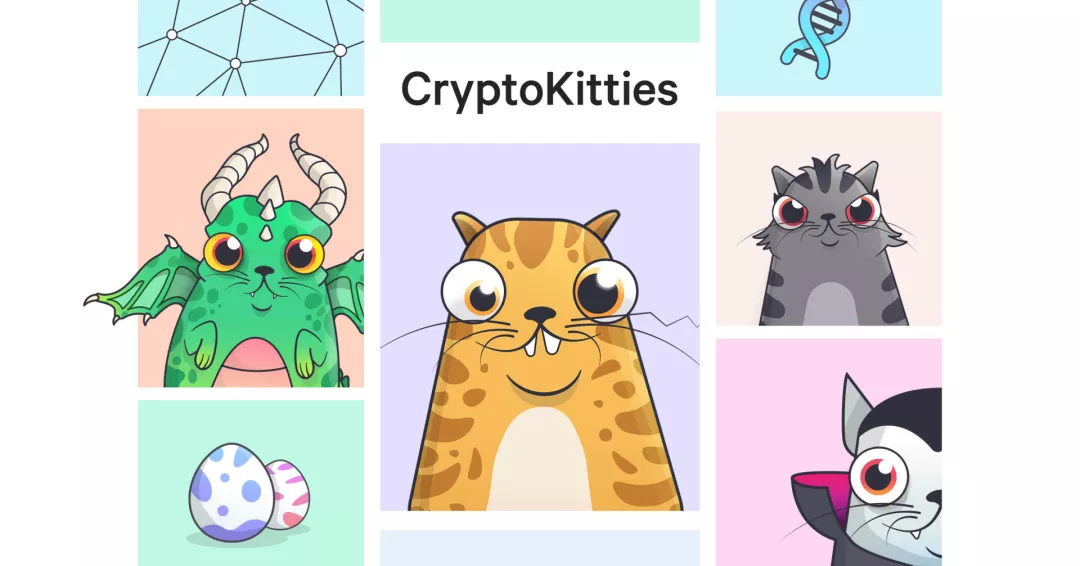
NFT (Non-Fungible Token),Non-homogeneous tokens usually refer to tokens issued by developers on the Ethereum platform according to the ERC721 and ERC-1155 standards/protocols. The most typical example of NFT projects in the history of the blockchain is Cryptokitties (encrypted cats). In the blockchain world, there are thousands of encrypted cats, but they are not created equally. Each blockchain-based cryptokitty is unique, and when you purchase a cryptokitty, you will obtain ownership of this NFT.Three major characteristics of NFT
The standardization of NFTs and the detailed properties of their smart contracts make each NFT uniquely identifiable and authentic. Users know there is only one of each NFT, so they cannot be duplicated, and no counterfeit items will end up appearing. The transparency of blockchain technology also means that authenticity can be verified and proven. Each NFT is linked with its own metadata and stored on the blockchain.Metadata is defined as: data describing data, descriptive information on data and information resources. In a nutshell, metadata is a permanent, unalterable record that can be used to prove the authenticity of an NFT, much like your receipt for a laptop purchase proves it belongs to you.NFTs are characterized by scarcity as they can only be produced in limited quantities and NFTs cannot be further divided into smaller units and can only be bought, sold and held as a whole without any central authority to authenticate them authenticating.Since NFTs are decentralized, there is no need for a central issuing authority and they are much easier to move around. Users can interact in a peer-to-peer marketplace without getting into the hassle of third parties complicating the process.Current NFT Use Cases
One of the biggest challenges for digital artists is protecting their work from copyright infringement, and NFTs are a solution because they provide proof of ownership, authenticity, and solve the problem of piracy.Because of the epidemic, many museums and galleries have been forced to close, and many artists have turned to NFT and online exhibition halls. The highest value record for an NFT art auction was last July, when "Picasso's Bull" was sold for more than $55,000. Subsequent deals included "Right Place & Right Time" (sold for over $100,000) and "Portraits of a Mind" (sold for over $130,000).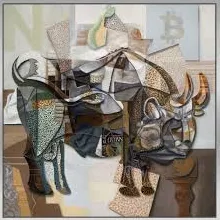
2. Collectibles
Collectibles are currently one of the most popular applications of NFTs in terms of sales volume, with approximately 23.6% of sales in the past month coming from collectible-related items. Launched in June 2017, CryptoPunks were one of the first collectible NFTs on Ethereum and sold for thousands of dollars.
They were actually developed before the introduction of ERC-721, and wrappers had to be introduced so that they could be traded on exchanges like OpenSea. Since launching in November 2017, CryptoKitties remains one of the most notable use cases for collectibles, with sales of virtual cats reaching an all-time high of $38 million.
3. DeFi x NFT
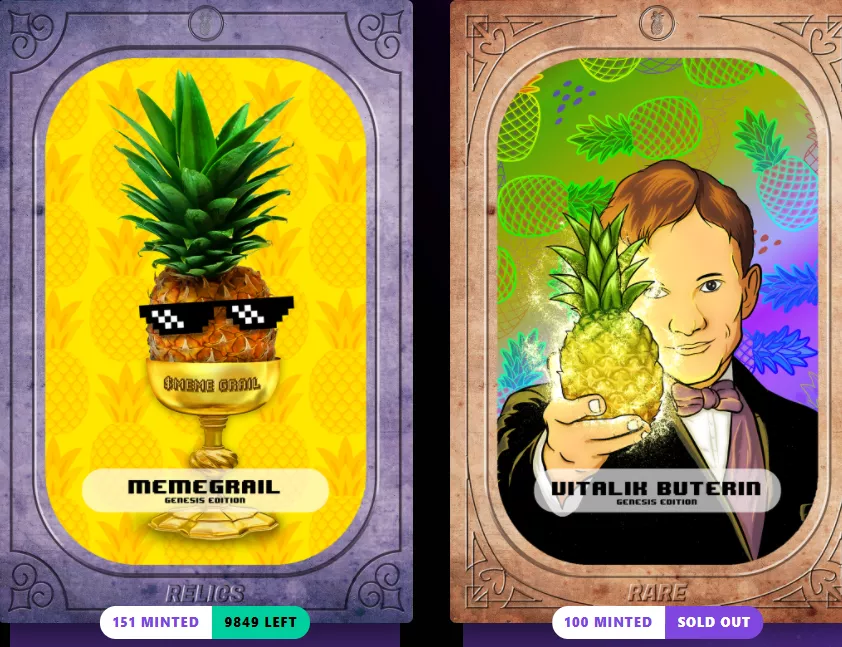
The combination of DeFi and NFT is to transplant the liquidity mining method to the NFT field. Currently typical representatives include MEME, SAND, RARI and so on. Stake tokens in DeFi projects to get NFT rewards; or stake NFTs to earn tokens.
As people's awareness of the potential and value that NFT can provide has become more widespread, more and more big brands, big investors and venture capital firms have begun to notice and participate. Independent blockchain game developers are also starting to attract the attention of VCs because their long product life cycles and ability to offer changeable token models make them ideal investments.
There is also interest in new governance tokens in the NFT space, and just like DeFi, people don't know what exciting new ways NFT and DeFi will find to blend.
However, the road ahead for NFTs is not without challenges, as they may face regulatory hurdles. In any case, the crypto space is still very young and needs to grow as more projects are born, and even if these projects ultimately fail, they still make indelible contributions to the entire field.