


After ten years of big dreams, the "Money Laundering Emperor" of the dark web has finally been arrested |

Conflux中文社区
本文约2082字,阅读全文需要约8分钟
Investigators with the right tools can take advantage of the transparency of cryptocurrencies to track illicit financial flows.
By Andy Greenberg, WIRED.
image description
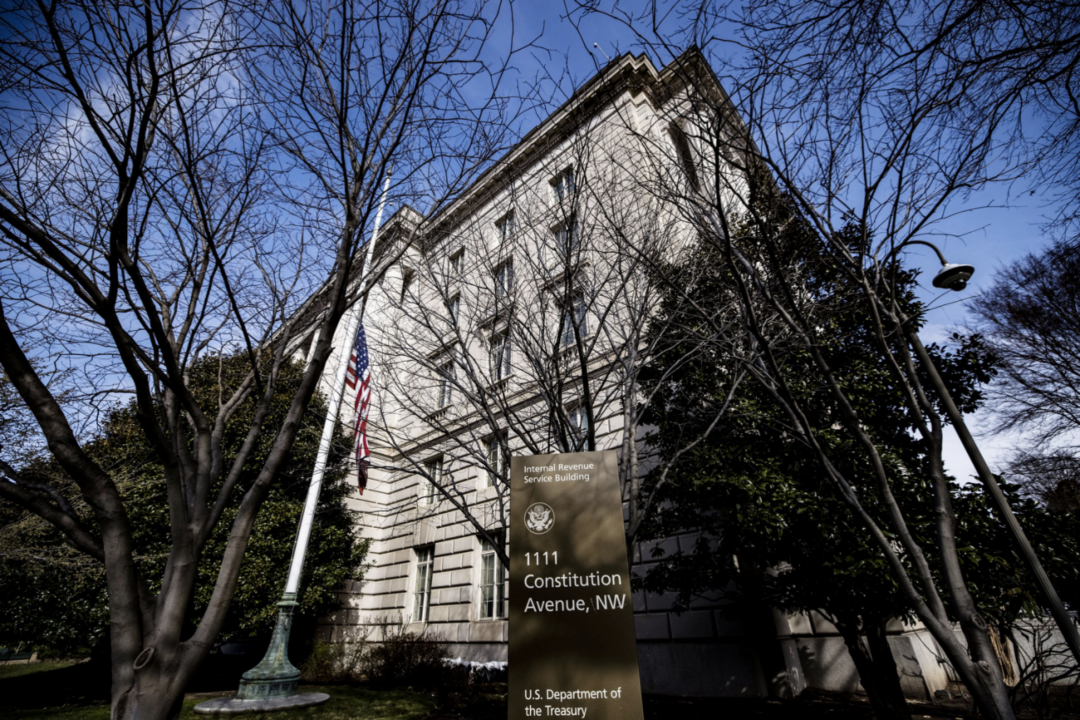
image description
Photo via Samuel Corum/Bloomberg/Getty Images
For a decade, Bitcoin Fog has been helping clients hide the origin and whereabouts of cryptocurrencies.secondary titleThe most famous anonymous agency on the dark web
U.S. authorities arrested Roman Sterlingov in Los Angeles on April 27 and charged him with laundering more than 1.2 million bitcoins, the total value of which were paid for during his 10-year run at Bitcoin Fog, court records show. to $336 million.
Based on exchange rates at the time of each transaction, Sterlingov received at least about $8 million worth of bitcoin through the service, according to IRS calculations. And, that’s before taking into account Bitcoin’s massive appreciation over the past decade.According to Sterlingov's criminal complaint, he created the site in late 2011 while promoting it under the Japanese pseudonym Akemashite Omedetou (Happy New Year).According to the indictment, Omedetou advertised in a post on the bitcoin forum BitcoinTalk that Bitcoin Fog can "mix your bitcoins with other users'" and that "using our service can hide your payment information, making it impossible to prove deposits." There is any connection with the withdrawal."At least $78 million of the $336 million that Bitcoin Fog is alleged to have laundered in its 10 years of operation flowed through the service to dark web marketplaces that sell drugs, including Silk Road, Agora and AlphaBay.secondary title
Winning or losing does not matter
How did such a cautious Sterlingov fall into the French Open?This is also thanks to the blockchain technology he utilizes.The IRS tracked him down through a 2011 deal Sterlingov used to set up Bitcoin Fog server hosting.The indictment outlines how Sterlingov used the digital currency Liberty Reserve (now defunct) to pay for hosting Bitcoin Fog servers in 2011, and presents blockchain evidence that Sterlingov purchased Liberty Reserve tokens with bitcoin.Evidence shows that he exchanged euros for bitcoins at an early cryptocurrency exchange, Mt. certificate.Gox accounts using Sterlingov's home address and phone number; and a Google account with a Russian-language document on Google Drive containing hidden Description of bitcoin payment information. The document describes exactly the steps Sterlingov took to purchase the Liberty Reserve tokens he used.“This is an example of how the transparency of cryptocurrencies can be used by investigators with the right tools to track illicit financial flows,” said Jonathan Levin, co-founder of blockchain analytics firm Chainalysis.The case also demonstrates that bitcoin, once widely thought to allow for anonymous, untraceable transactions, is in many cases the exact opposite. Blockchain records of all token transactions since the inception of cryptocurrencies can often serve as a means for law enforcement to trace transactions going back many years.University of London computer scientist Sarah Meiklejohn pioneered bitcoin tracking technology in 2013. He believes that the arrest of the founder of Bitcoin Fog based on blockchain analysis shows that investigators can use the "follow the money" technique to trace transactions back a long time.secondary titleunsolved mysteries
Bitcoin Fog was still up and running as of the afternoon of Sterlingov's arrest, but it's unclear who was running it. Neither the IRS nor the Justice Department responded.
推荐文章