

Web3 Technology Trends in 2023: From Idealism to Pragmatism

Three years of a global pandemic, a raging war between Russia and Ukraine, escalating geopolitical rivalries and high inflation appear to have accelerated the cycle of economic cycles.
Extending the depth of history, we have gone from agricultural civilization to industrial civilization, from information interconnection to value interconnection, and the vitality brought by technological innovation is the constant theme of the times. The Web3 network with blockchain as the underlying technology, with the blessing of artificial intelligence, big data and other technologies, allows value to return to producers, and what you build is what you get. Whoever creates the data owns the value of the data. The economic model of Web3, which allows many participants to obtain wealth fairly, will bring about changes in production relations and has become the focus of attention in recent years.
For Web3 technology, 2022 is a year of industry logic switching. Web3 technology, which has high hopes of changing production relations and returning ownership to users, is moving from idealism to pragmatism. No matter how the external environment changes, Web3 technology is constantly accumulating energy along several technological or commercial branches to build commercial value , to give long-term builders more time and space to lay a solid foundation. Over the past few years, the market size of Web3 technology has been expanding rapidly, Internet companies have joined in it, and traditional industries have also started to explore the Web3 field. As users spend more time online, Web3 culture and life will rise along with the evolution and maturity of technology, which will inject vitality into the economy in 2023 and is expected to achieve value integration and re-creation.
Okey Cloud Chain Research Institute has carried out in-depth research on the Web3 field, and based on market signals and industry development trends, analyzed the current business and technology status, and explained the eight major trends of Web3 technology in 2023 below. We hope to work with builders who are interested in the Web3 field to choose a high place, keep our feet on the ground, and work together to build this bright future.
1. The era of land reclamation ends and the era of super applications begins
image description
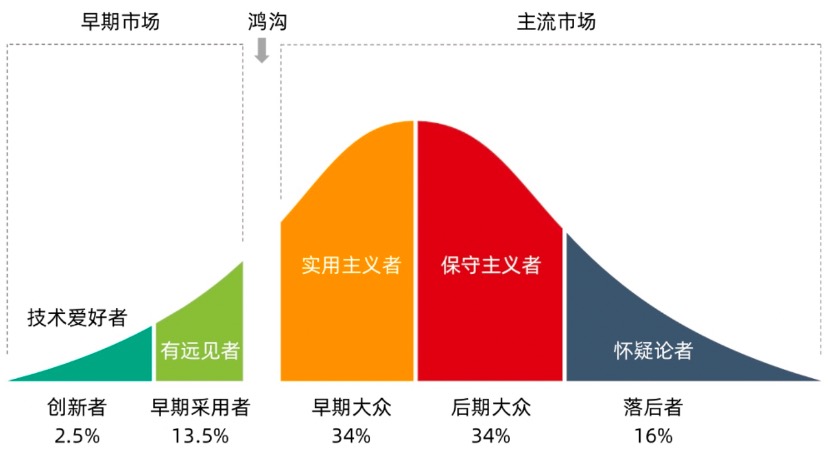
Figure: The Gap Theory
image description
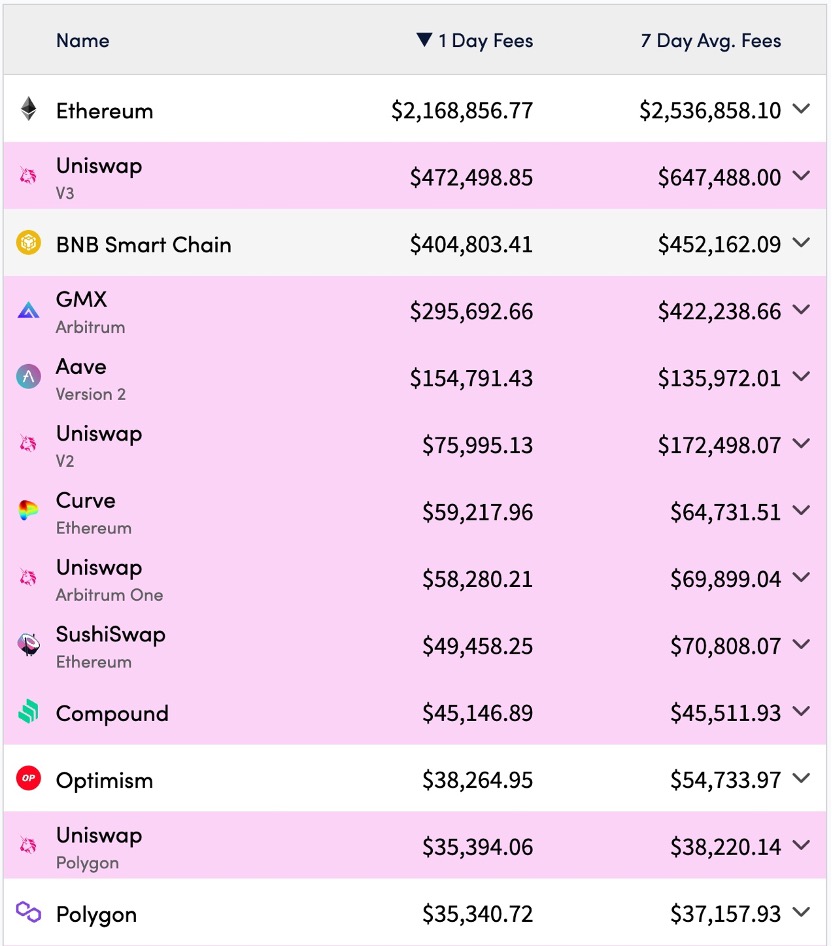
Source: Okey Cloud Chain Research Institute, cryptofee
In 2023, on the Web3 battlefield of competing for value, from idealism to pragmatism, we can continue to look forward to the emergence of more user-centric super applications, which will become one of the major signals for the improvement of the industry market.
2. "Selfish" and misleading AI can become a productivity tool for Web3
image description
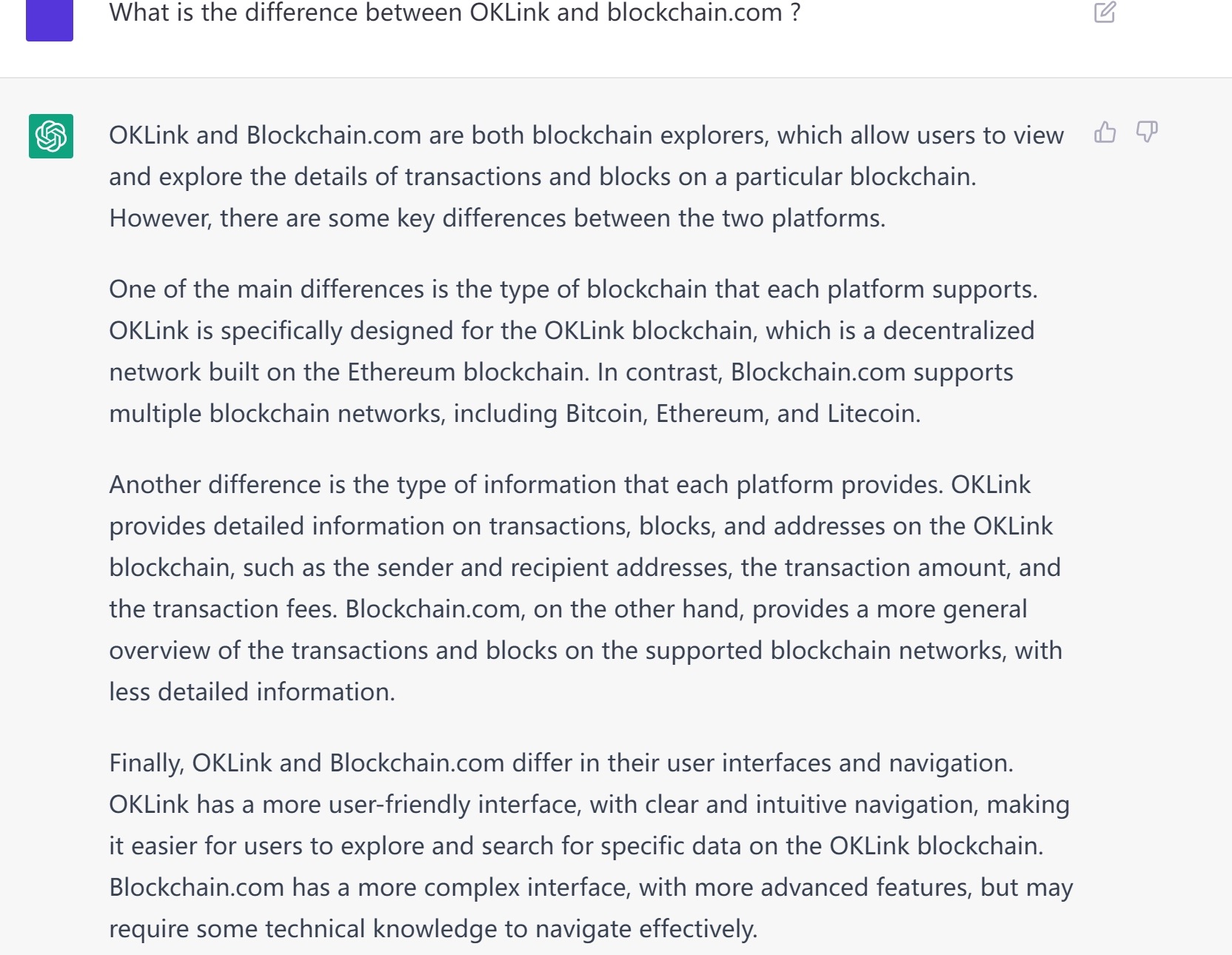
Figure ChatGPT Answers
In recent years, the field of AIGC (AI-Generated Content), which has been highly sought after by capital, is considered to be a new content creation method after professionally produced content (PGC) and user-generated content (UGC). For example, the data sets used by AIGC models such as Stable Diffusion have their own works, and people can use it to generate content of the same style in a few seconds. It can provide a boost to the Web3 creator economy, thereby accelerating the construction of the Metaverse. However, although AIGC is powerful and efficient, the copyright issues and abuse issues involved in it have been widely criticized by the industry.
In addition to AIGC, blockchain technology can also complement AI. Using the decentralized method and the incentive model of encryption economics, Web3 is expected to build a new decentralized AI paradigm from three aspects: data, model and computing power. This method is expected to reduce the cost of running and training AI, and also solve the problem of AI "abuse" to a certain extent through decentralization.
3. The highly anticipated zero-knowledge proof still needs to be proved by the market
Constraints facing Web3 include limited scalability and high latency. Without enough transaction throughput and low enough cost, Web3 can hardly accommodate the capacity from the mainstream.
Zero-knowledge proofs (ZKPs) or zero-knowledge protocols are seen as one of the solutions in the industry, and there are already a large number of use cases in the industry. In addition to scalability, in terms of privacy protection, ZKP, as an important algorithm in cryptography, also holds the key to the application of blockchain privacy protection. In summary, zero-knowledge technology not only allows developers to take advantage of the security of the public chain, but also improves transaction throughput and speed. At the same time, it can store users' personal information off-chain to protect user privacy. Currently, Polygon, zkSync, StarkWare, and Scroll are actively promoting the application of this technology, which will become an important starting point for applications using this algorithm to start large-scale testing for real users.
The applicability and value accumulation of ZKP still needs to be proved. For example, whether DeFi Dapp can complete large-scale migration, we will continue to observe. As technology continues to evolve, more freedom will be released with lower-cost trust.
4. Greening Web3 is in action, ReFi may become a new narrative
Since the advent of Bitcoin, its energy consumption has labeled the encryption industry as "not environmentally friendly". Web3 must be more sustainable while improving human life.
As the main ecological participants of Web3, several major public chains are looking for more environmentally friendly paths. For example, after Ethereum completed the merger, its carbon dioxide emissions were reduced by 99%. Polygon announced in June 2022 that it had repurchased $400,000 of carbon credits with the help of KlimatDAO, achieving theoretical "carbon neutrality." Polkadot adopts the "Nominated Proof of Stake" (NPoS) consensus mechanism. Based on the annual activity of about 1,000 validators in the current ecology, the energy consumed is 0.8 GWh, which is only 0.001% of Bitcoin.
Based on this, regenerative finance (ReFi) has quietly emerged as a nascent narrative, interpreted by institutions in different ways, but in general, it advocates to combat climate change, support environmental protection and biodiversity, and create a more equitable and A sustainable financial system, from this point of view, ReFi can be described as a new narrative that shines with the brilliance of humanity.
5. A balance point is needed to leverage the trillion-dollar market
Whether it is for Internet giants or the financial industry, the debate between centralization and decentralization is a commonplace. In the world of Web3, decentralized finance (DeFi) has become a hot spot in the industry since 2021, and its absolute advantage is that it can provide transaction support in a trustless and efficient manner. In 2022, we have seen that decentralized institutions are also leaning towards centralized decentralization, looking for a balance point that promotes the long-term and stable development of the industry.
Take the wallet, an important component of the DeFi protocol, as an example. This year, some projects have also begun to make seemingly less "decentralized" adjustments for compliance and post-review. For example, MetaMask updated its privacy policy in November this year, stating that when When a user uses Infura to make the default remote procedure call (PRC), Infura will collect the user's IP address and ETH wallet address when the user sends a transaction. This is also an experiment for the large-scale popularization of the industry in the later stage.
"Fish and bear's paw" needs to have both in Web3, and utopia with utopia is not reality. As an industry that is still in its early stages, it needs to find a balance fulcrum between centralization and decentralization in order to leverage this trillion-dollar prospect market.
6. This BAAS is not that BAAS, and the smell of wine is also afraid of deep alleys
image description
Source: Okey Cloud Chain
Brands are valued by more and more users and investors, and Brands As A Service (Brands As A Service) has emerged as the times require. Especially for the Web3 team, because the development team accounts for a relatively high proportion of the project team, the market demand for brand-as-a-service will gradually increase.
7. Survival of the fittest, not the survival of the strong: Web2.5 achieves a new paradigm of business models
Not everyone's Web3 journey is a sea of stars. Zuckerberg lost tens of billions of dollars to Meta, which changed its name to enter Web3, while Nike, which seemed to have nothing to do with Web3, made money. According to Dune data, Nike’s cumulative NFT revenue from December 2021 to August 2022 reached 185 million U.S. dollars, while Adidas’ revenue in this category was only 11 million U.S. dollars during the same period. There is also Time magazine, which released the first fully decentralized magazine in the form of NFT on the blockchain on March 23 this year. AMC, the largest theater operator in the United States, also changed from NFT to increasing virtual assets as a payment method for users in the first half of this year.
The same is true for technology companies. Almost all companies are incorporating Web3 elements such as membership tokens and NFTs into their products. The Reddit Avatars digital collection program and the Reddit Vault digital wallet launched on October 22, 2022, attracting 3 million new Web3 users. Twitter is also introducing NFTs in user profile avatars in early 2022.
More and more industry giants are incorporating Web3 technology on the basis of their Web2 or existing consumers, so as to upgrade the original service experience and reconstruct new business models. In 2023, we believe that more technology companies and industry giants will accelerate their commitment to Web3, and most of them will choose Web2.5 as the first stop on their journey.
8. The invisible champion that cannot be underestimated is ready to go
The permafrost holds seeds ready to grow, and once the cold starts to subside, everything will burst out of the ground. As Web3 gains more recognition, new narratives and concepts are always the first to catch people's attention. Some niche tracks also have invisible champions ready to go. For example, security auditing companies, the $3 billion on-chain attack in 2022 makes security auditing companies still worth investing in.
image description
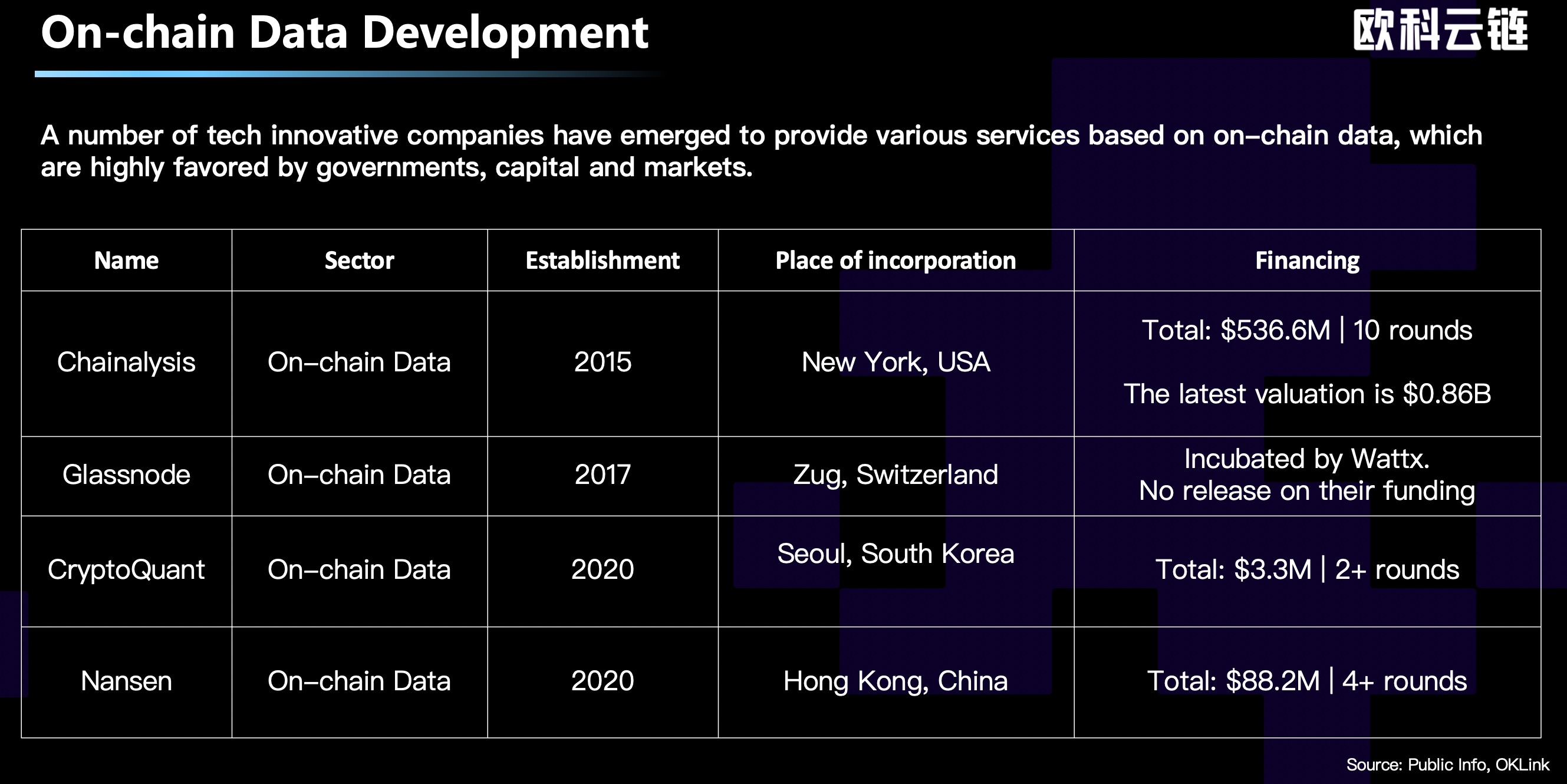
Source: public information, Okey Cloud Chain Research Institute
Another example is the growth tool track of Web3, whether it is CRM or reward platform tools, etc., have become an indispensable part of users or developers with the growth of Web3. "If a worker wants to do a good job, he must first sharpen his tools", and this is also the true value of the niche track.
The vast and vast starry sky is what we want. As a long-term builder, we are not afraid of the ups and downs of the environment, continue to promote the evolution of our mission and goals, and move forward in a down-to-earth manner. Okey Cloud Chain has proved its choice with nearly ten years of actions and continuous breakthroughs in "hard technology". In 2023, we will unswervingly join hands with our peers to climb one peak after another, so that users around the world can use the blockchain reliably and safely, enter Web3, and use the data on the chain to link a better life.
About Okey Cloud Chain Research Institute
Okey Cloud Chain Research Institute is a professional research institution under Okey Cloud Chain Group, focusing on cutting-edge innovation fields such as the blockchain industry, Web3.