

Noted trader Kyle: Which crypto assets are worth holding for the long term?

Original author: Kyle, DefiLlama researcher
Original compilation: Jiahuan, ChainCatcher
In the 2026 cycle, the market may finally begin to favor tokens with fundamental support. This judgment is not new. As early as the birth of the first smart contract, the earliest DeFi supporters envisioned bringing financial institution-oriented infrastructure onto the blockchain. Yet cycle after cycle proved that the timing was still too early, and what market participants wanted was simply higher prices.
Especially in the 2025 cycle, many market participants believed we had reached a "turning point": Trump had just been elected, Gary Gensler had stepped down, and the White House even had a "crypto czar." But what was expected did not happen.
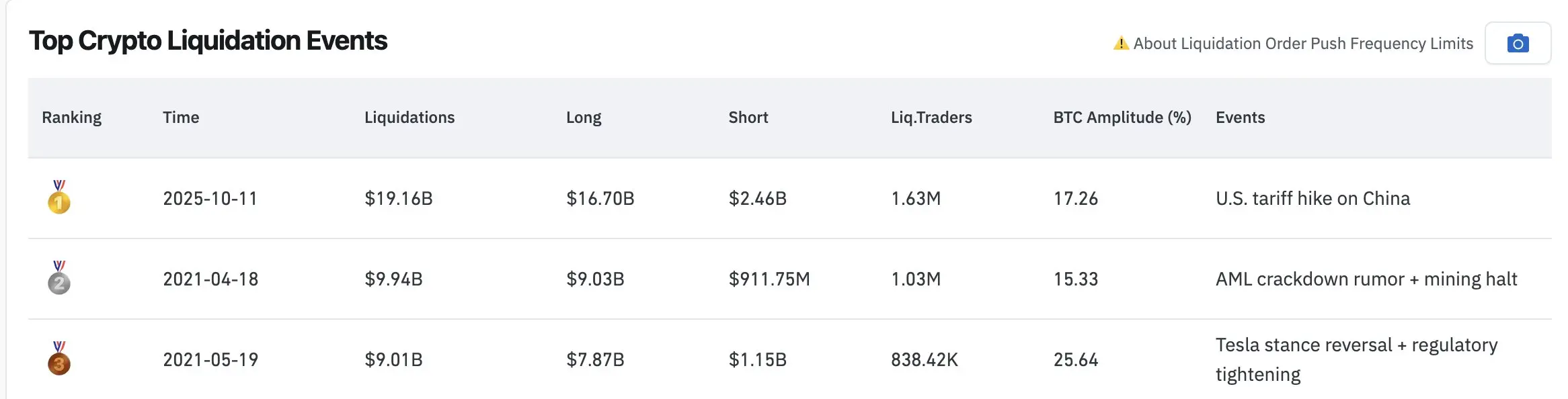
Instead, we got the Trump token draining billions of dollars from the crypto market, digital asset treasury companies (DATs) driving the market into a double-top pattern of two surges and pullbacks, and the final blow that crushed the market on October 10: the largest liquidation event in history, which happened almost without warning.
Meanwhile, the stock market was rising, especially semiconductor and memory chip stocks; the S&P kept hitting all-time highs, and overall market sentiment toward the economy was relatively optimistic. As a result, many crypto veterans left the market, and I was one of them.
In hindsight, depressed token prices, a wave of project shutdowns, relentless DeFi hacks, and the exit of many fund managers clearly marked the bear market bottom. But what made this bear market even more brutal was that hope was completely shattered. We were all waiting for "traditional finance to enter," and what we got instead was a president harvesting the market through a token, and crypto natives putting on the cloak of traditional finance, using Nasdaq-listed holding companies to sell assets to another group of crypto natives.
Therefore, I believe it is precisely this experience that leaves market participants still carrying past trauma (PTSD) when facing today's crypto market. Fortunately, I had several good friends who persuaded me to return to crypto. At the time, I wrote this:
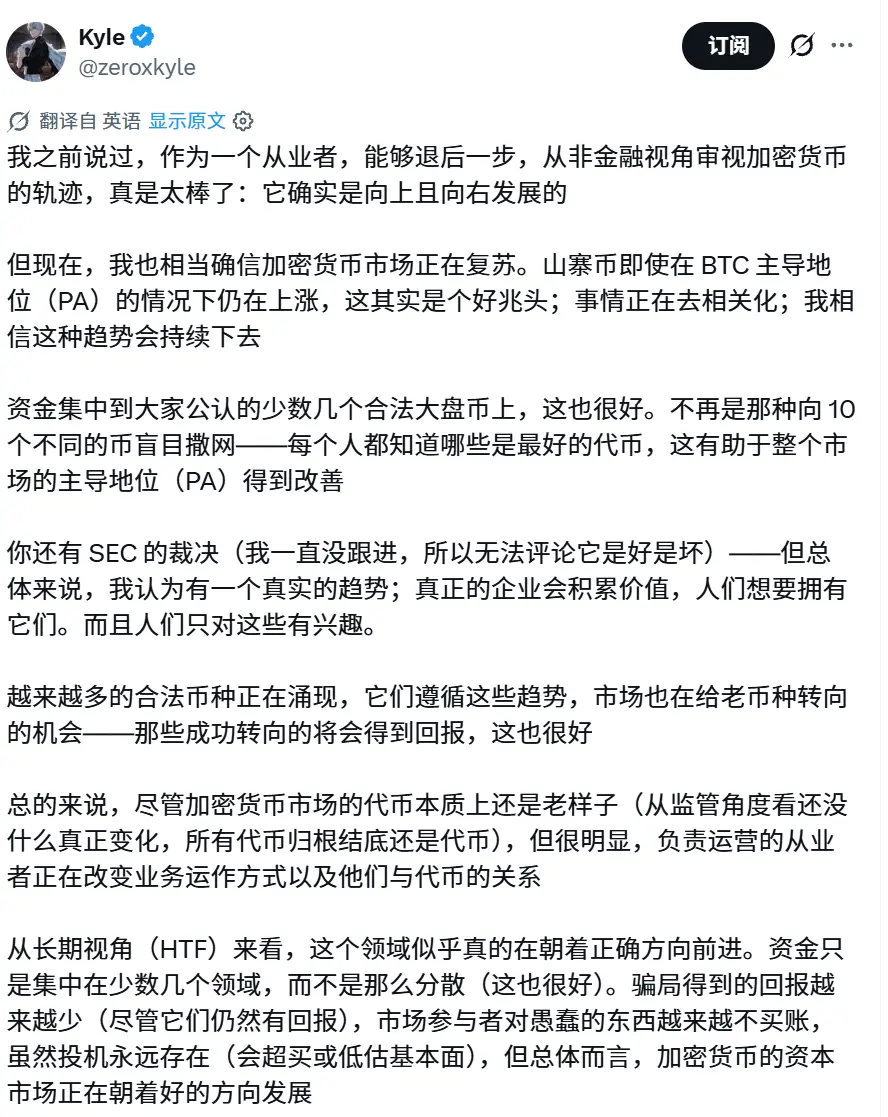
After the bull market began, I wrote this again:
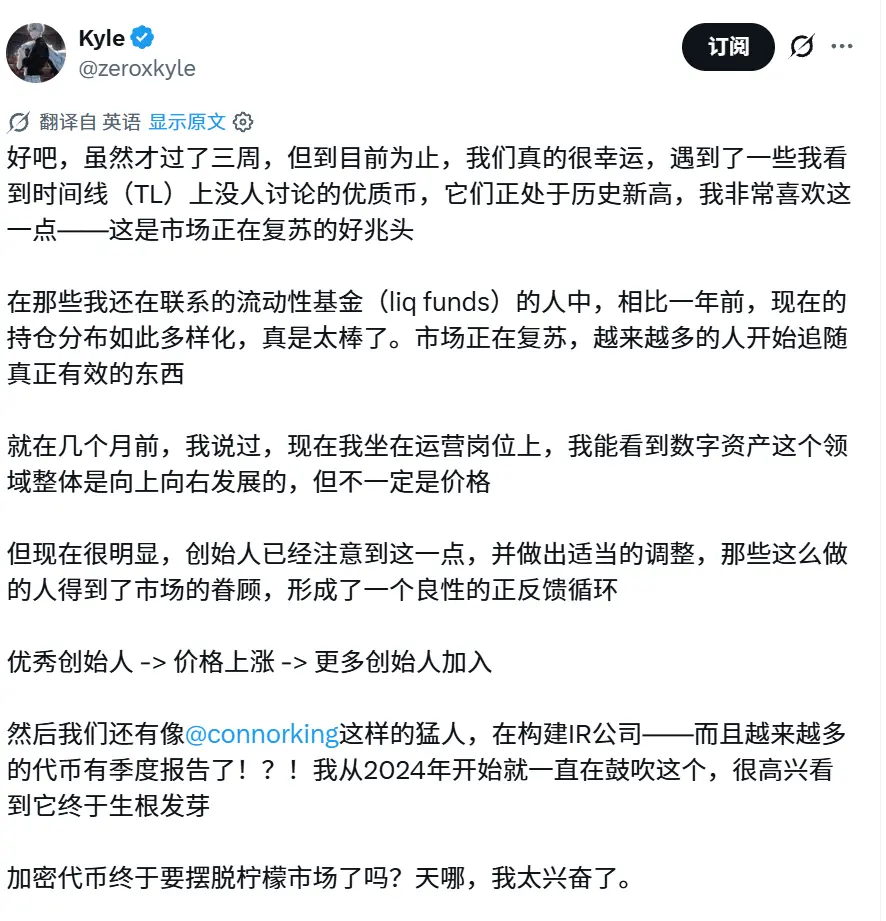
So, in a sense, I think we all came too early. Crypto veterans have been through too much disappointment and find it hard to rebuild confidence. From a market perspective, every cycle must begin by advancing through doubt and worry, climbing over this "wall of worry."
But at the end of the tunnel is the dream we have been waiting for, the golden path, the last frontier still to be opened. Honestly, the era we knew is ending, and a new era is beginning. Frankly, I believe the "internet capital markets" are beginning to take shape. The focus of the next few cycles will be how traditional financial markets combine with internet-native assets that carry equity-like properties.
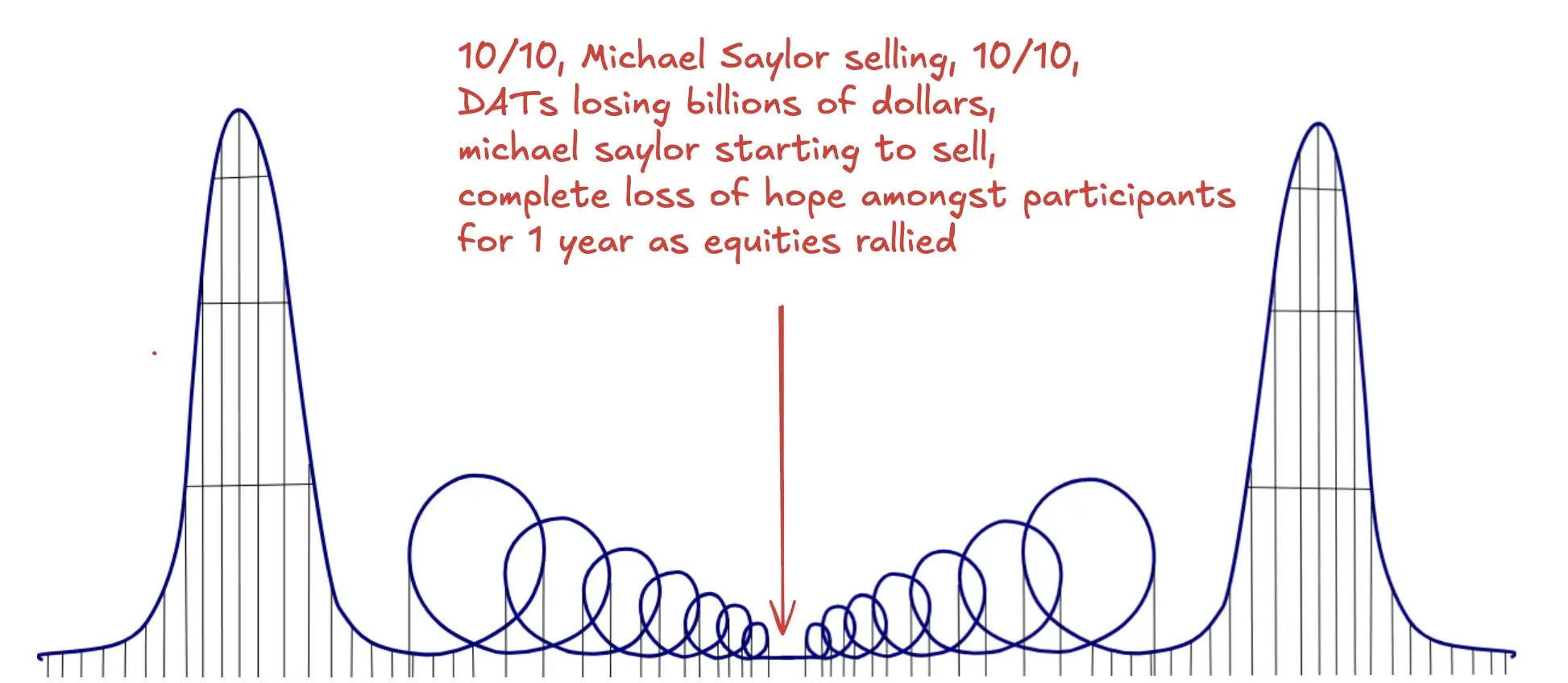
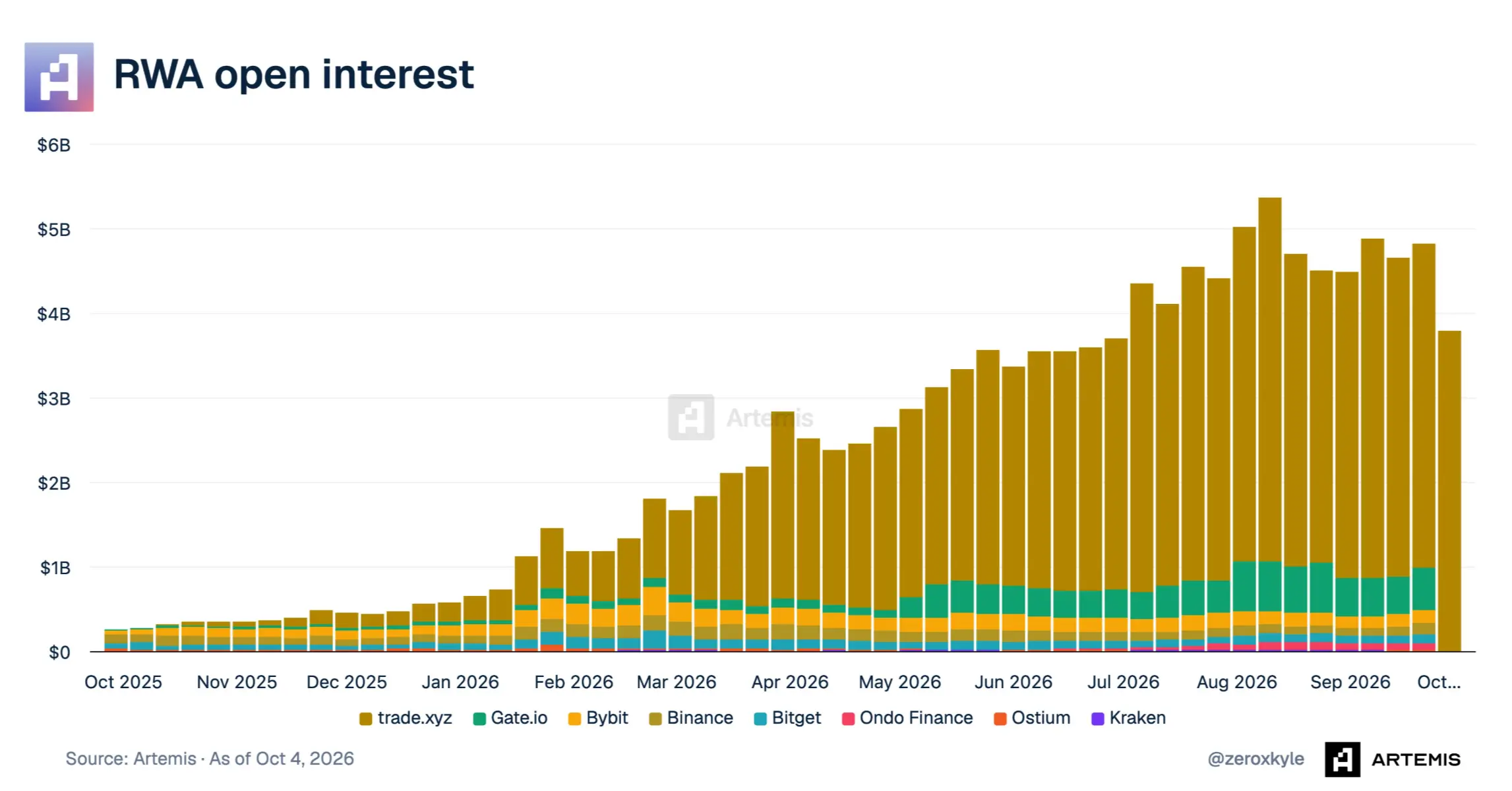
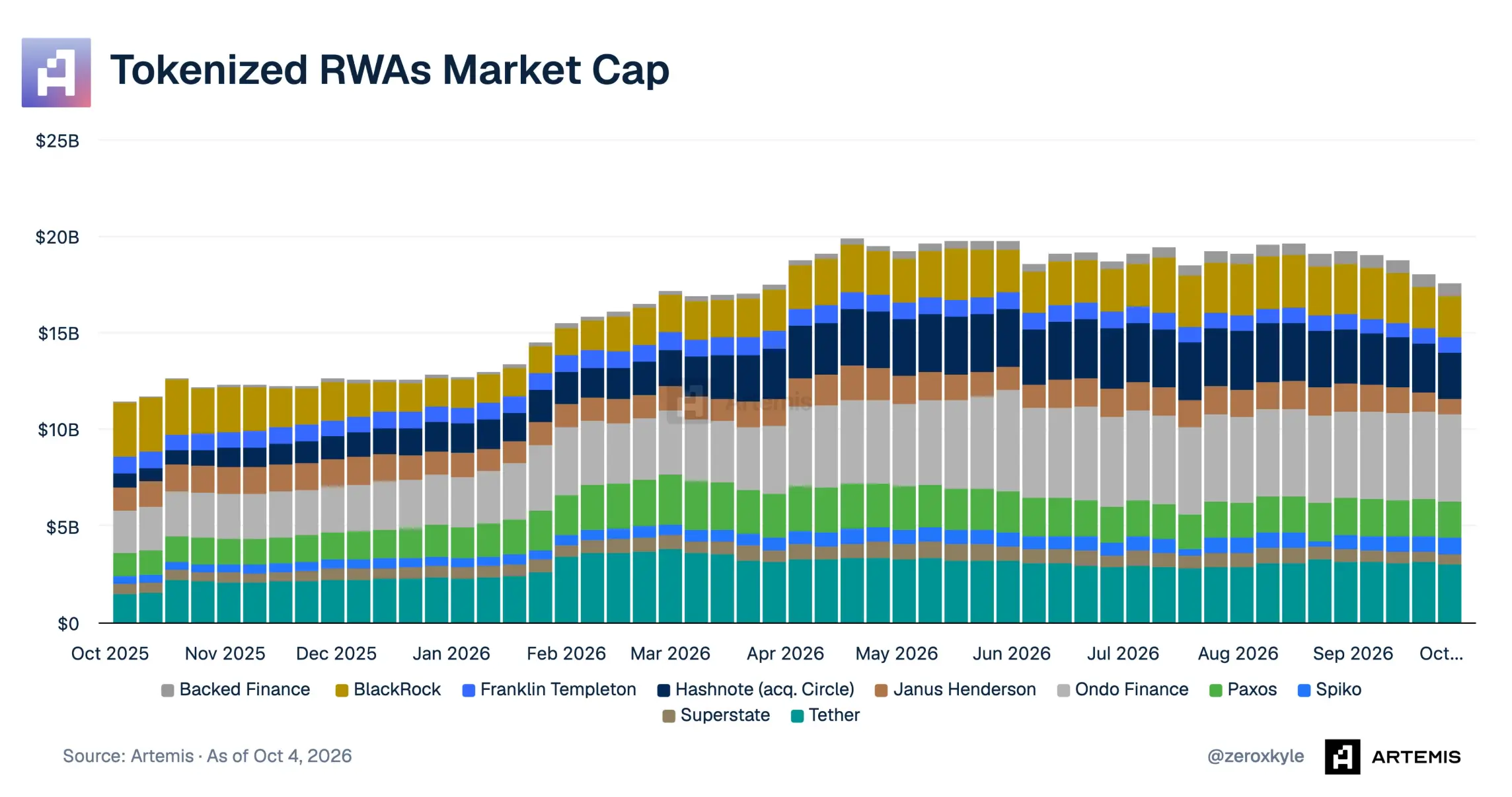
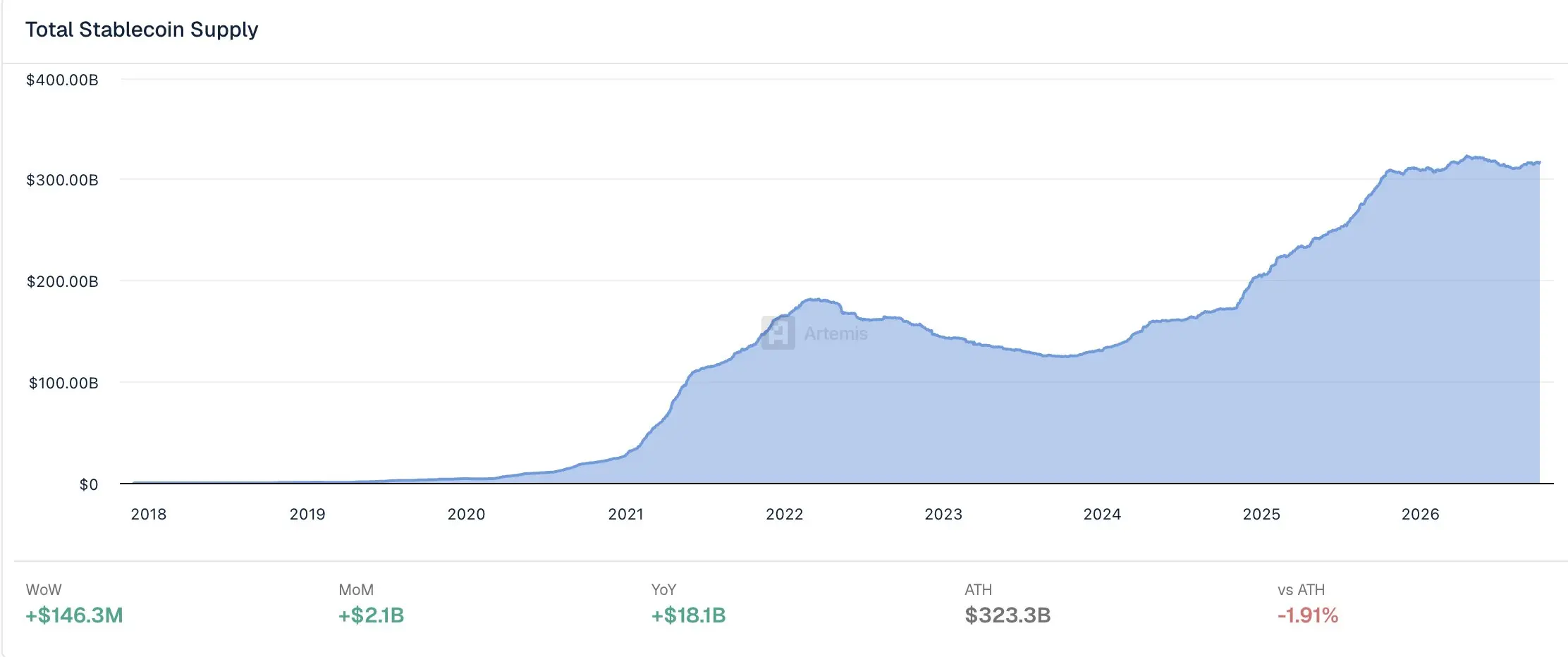
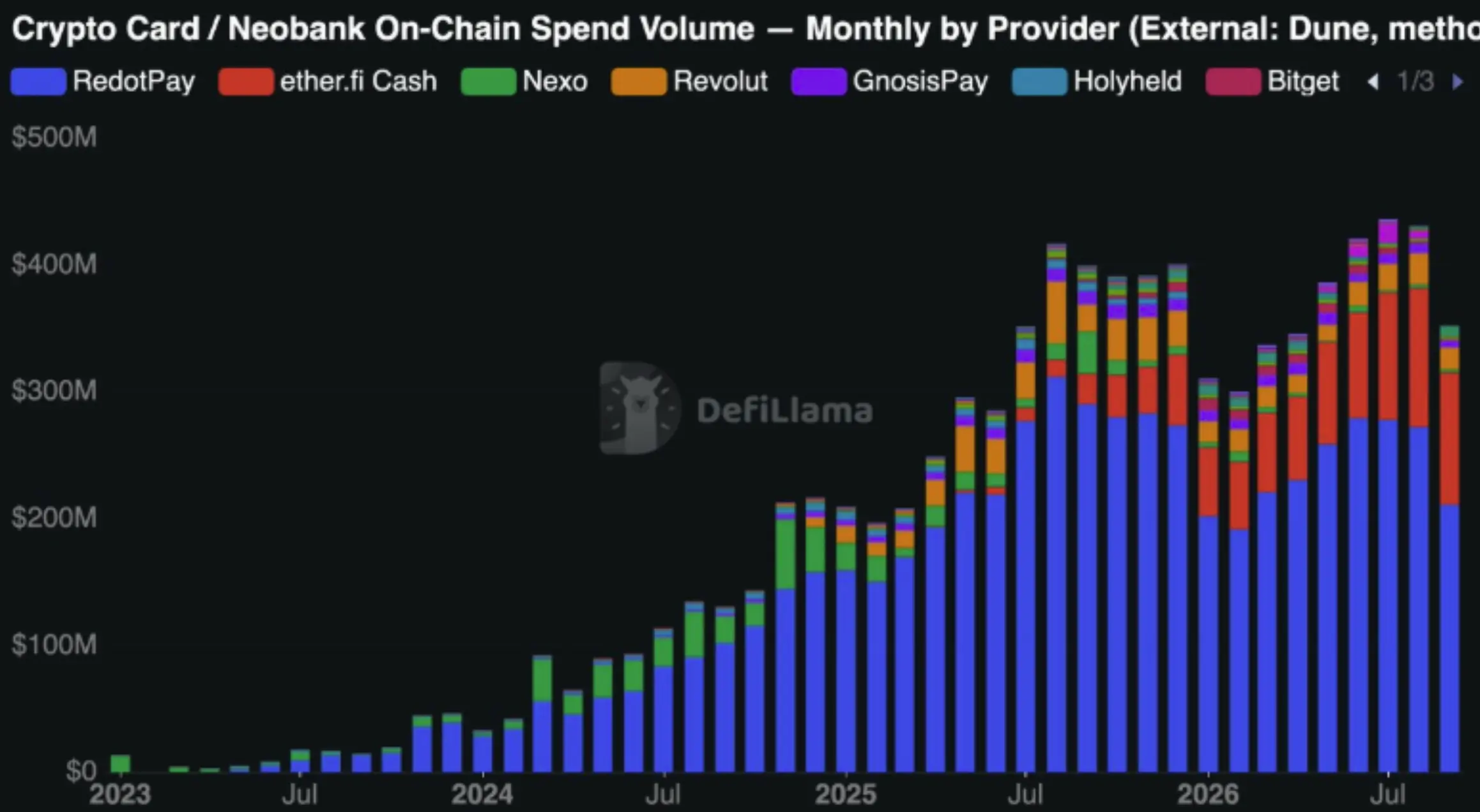
Of course, none of this is new. I am quite sure I said something similar in 2025. Since the birth of smart contracts, we have been steadily moving in this direction. It has always been more a question of timing than of growth. Every metric points to the same thing: even if prices have not risen, actual usage of crypto technology continues to grow.
Investment Strategy: Pick the Right Assets, Extend the Time Horizon
But as noted above, the problem is more about timing than a lack of real use cases. So when entering this market as an investor, the first thing I want to emphasize is: extend your investment horizon and prepare for even more violent volatility than before.
At times like this, the investment experience gained over the past year in traditional stock markets is very helpful. Many people on X know that the whole world is increasingly becoming a speculative game. Markets of all kinds are gradually being dominated by speculative asset bubbles, and the Benjamin Graham-era approach of value investing—focusing on fundamentals and finding undervalued assets—is being pushed to the sidelines.
On this point, I strongly recommend reading this article by 0xSmac: "Let The Bubble Wash Over You."
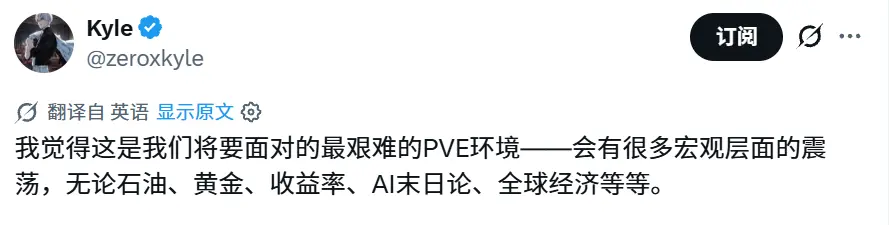
In such a market, more and more macro news will affect price action. Almost every week brings new headlines: Trump reaching a deal with Iran, the 10-year Treasury yield rising to "levels not seen since 1990," a currency crisis likely related to the yen, pessimistic views on AI or accelerationist arguments, and geopolitical uncertainty.
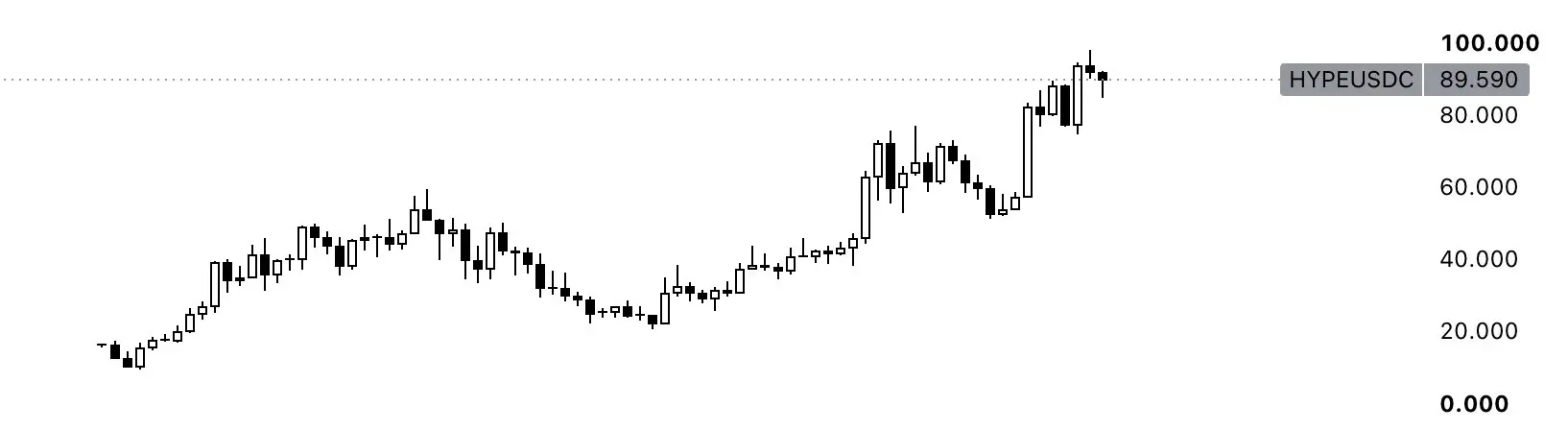
Therefore, extending the investment horizon and reducing the interference of short-term noise is worthwhile. The market has always had a lot of noise, and it will not have less in the future, but this strategy has already worked well in the stock market. I believe it will also become a major strategy for crypto investing going forward. Hyperliquid's HYPE is the first real token case that gives you a chance to "profit through dollar-cost averaging."
Why Are Most Tokens Unsuitable for Long-Term Investment?
In the crypto market, the importance of asset selection cannot be overstated. Crypto market participants have long held a underlying belief: "Everything is a scam, everything eventually goes to zero, so you have to sell." For most of the crypto industry's history, that judgment was indeed correct. But Hyperliquid opened a new path: some assets really can be invested in continuously, and you can profit from them.
This is more important than many people realize, because it will significantly change how the market operates. One important reason many altcoins are unsuitable for long-term investment is simple: no one wants to keep dollar-cost averaging into an asset that could drop 90%. In the stock market, time is on your side, because the companies behind the stocks are expected to keep growing over time. That is the logic behind continuously buying the S&P: the U.S. economy keeps growing, so you keep buying.
Therefore, when sustained-growth businesses emerge in crypto, digital assets also begin to have a real foundation for long-term investment. This creates a positive feedback loop: business growth → attracting investment capital → higher prices → further business growth. This is exactly how internet capital markets form.
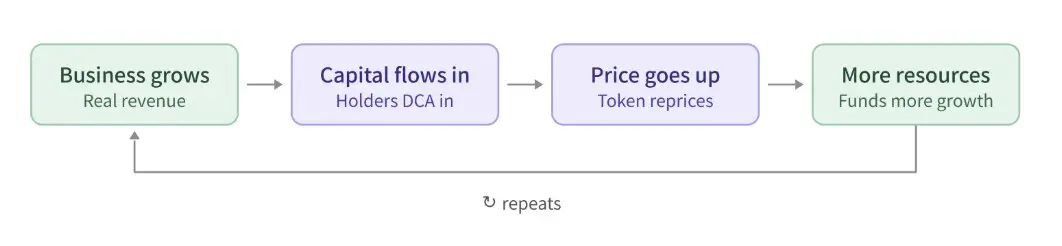
In addition, there are structural reasons why the crypto market has long been a "market for lemons"—a market where buyers struggle to distinguish good from bad, and low-quality projects crowd out high-quality ones:
Tokens with low float and high fully diluted valuation (FDV) come with massive unlocks and sell pressure, with new supply continuously flowing into the market over years. Even if the project itself is doing well, there is always a group of sellers waiting to sell.
No profitability. The product does not truly meet market demand, so it cannot sustain growth and can only rely on short-term narratives suited to bubble conditions—here today, gone tomorrow.
Token holders and company shareholders have misaligned interests. The value created by the business goes to company shareholders, while the token is basically just a marketing tool. Holding the token does not mean you truly have the right to share in the money the business earns.
Lack of disclosure and lack of accountability. In the stock market, companies must disclose revenue, insider stock sales, and risks, and fraud has consequences. In crypto, insiders, VCs, and market makers hold the information on unlock schedules, OTC deals, and real data. Teams can dump tokens, fake metrics, or quietly exit, and investors basically have no way to hold them accountable. When buyers cannot distinguish good projects from bad ones, they default to assuming all are bad.
What Conditions Must a Good Token Meet?
As these problems have accumulated to this day, a turning point finally seems to be arriving: the crypto market is beginning to find ways to solve the "market for lemons" problem. Most market participants have raised stricter requirements for investment targets, which in turn gives project founders and operators clear feedback on what to change. For example:
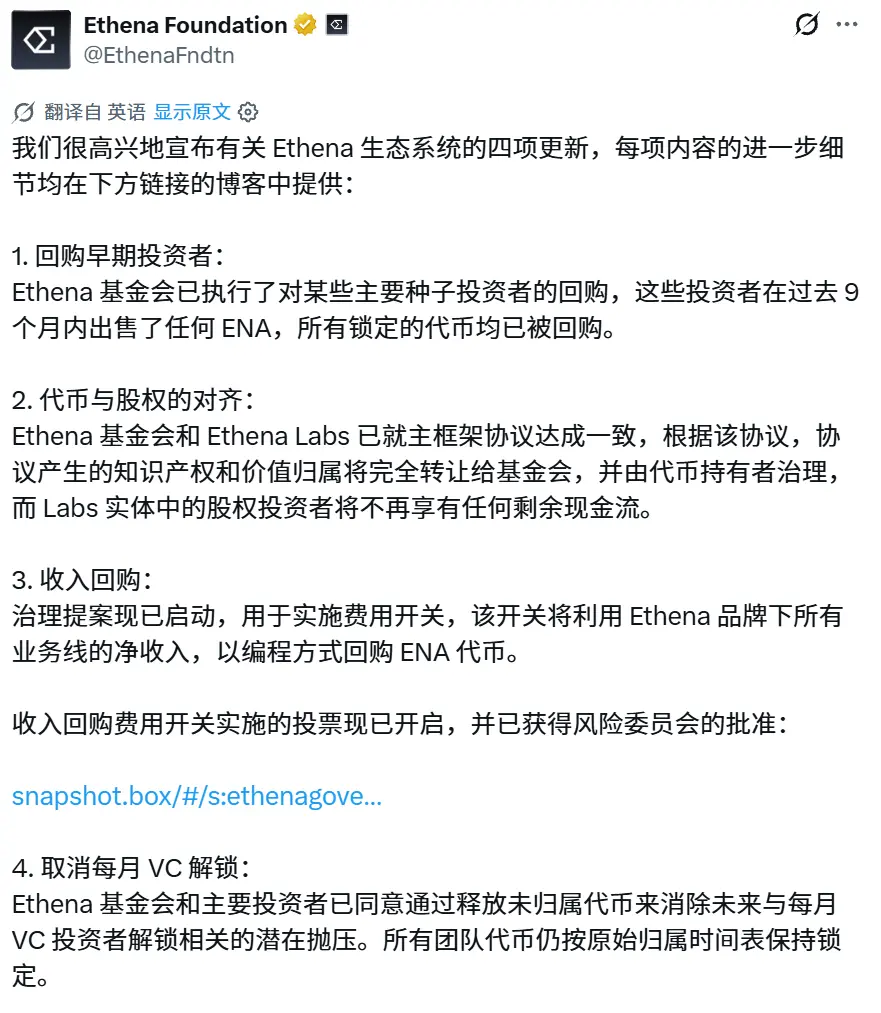
The Ethena team did the following:
Bought back tokens held by some early investors who had sold.
Aligned the interests of token holders and company shareholders: the protocol's intellectual property and the value it creates are owned by the foundation and governed by token holders.
Used revenue for buybacks: proposed a governance proposal to use protocol revenue to automatically buy back ENA tokens.
Canceled monthly VC unlocks: the Ethena Foundation and major investors agreed to release investor tokens that had not yet vested, ending the original monthly unlock schedule and thereby eliminating the continuous pressure from future monthly unlocks.
The market rewarded Ethena accordingly: ENA rose 95% over the past 14 days. Thus, a positive feedback loop was formed.
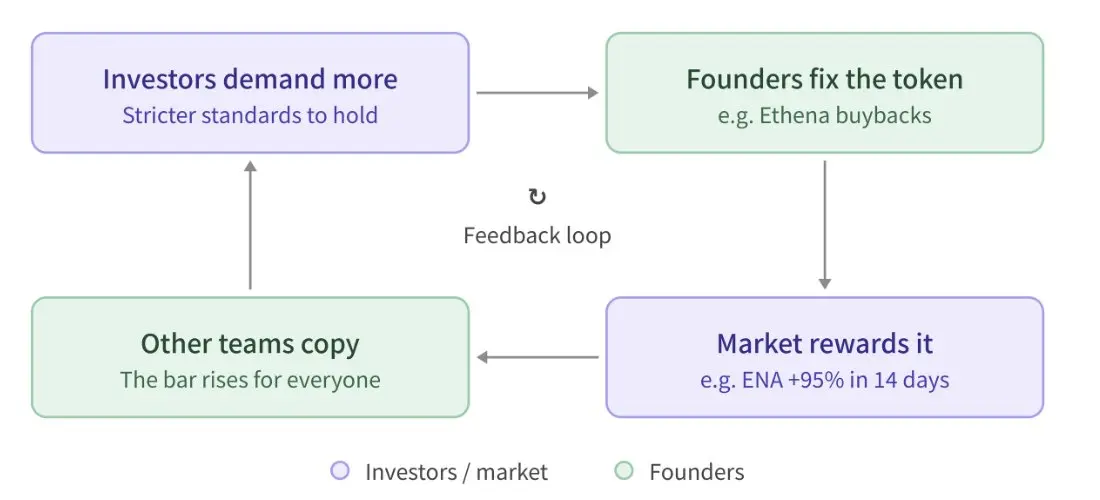
So the approach to asset selection is clear: buy projects that have already solved the "market for lemons" problem, and avoid those that have not. Below is my screening checklist. These are not absolute rules, but in my observation, a team should meet at least most of them, and ideally all of them:
Enable token holders to share in the value created by the business. There are some interesting experiments in the market; as long as the economic arrangements are reasonable, investors can accept a project having equity as well—Venice is a good example. At a minimum, market participants need to see two things: A) the team values the token; B) the team will not transfer value that should belong to the token to company shareholders.
The product truly meets market demand and is profitable. Sustained growth and profitability are the key to attracting capital. Intuitively, people only want to buy assets that will rise, and price increases come either from multiple expansion or earnings growth. For businesses, valuation multiples are mostly outside their control; they depend on market sentiment, narratives, and interest rates. Sustained earnings growth is the foundation for long-term value accumulation and compounding. Market narratives rotate quickly, but growing earnings give people a reason to keep holding.
Token supply. There is no one-size-fits-all answer here. Some tokens with little potential sell pressure perform poorly; some with certain potential sell pressure perform well. But overall, excessive potential sell pressure is not good, because it limits upside. A certain degree of potential sell pressure seems acceptable. The best teams go further and actively address the issue, such as Ethena buying back tokens held by investors.
There are also some bonus points:
Buybacks. I do not think the size of buybacks matters much unless, like Hyperliquid, your buybacks are extremely large. For most protocols, reinvesting that money into the business may be better. Buybacks mainly signal to market participants that the founders value the token. Buybacks need the right balance: too small, and the money is spent without effect; too large, and it crowds out funds needed for business growth. And buybacks alone are basically of little value. The market can usually see through these issues.
Transparency and investor relations (IR). In my view, this should be mandatory. The logic is simple: if you want people to hold your token, you should clearly explain its purpose and value. Public companies already do this, for example by publishing quarterly earnings and holding investor calls. If you want investors to entrust their capital to you, you should provide corresponding disclosure and communication.
There may be some factors I have missed, but these are the first ones that come to mind. Taken together, the crypto market is repairing itself: real businesses are emerging, teams are beginning to improve token value accrual and supply arrangements, and the market is finally starting to reward quality rather than hype. For the first time, digital assets are beginning to have long-term holding value, not just serve as trading instruments. But the premise is that you hold the right assets. There are still plenty of low-quality projects in the market, so asset selection is more important than ever. Still, for those with judgment, the strategy is simple:
Buy good assets, keep holding through the noise, and let time do its work.
Finding Investment Opportunities: Look at the Sector First, Then the Team
Now for the most exciting part: in my view, which dishes on this buffet are most worth choosing. There is a pile of sashimi on the table, one piece of which is bluefin tuna cheek meat, while the rest is ordinary tuna sold at a gas station. My job is to find out which one is the bluefin tuna.
It is easier to look at the sector first, then the specific project. From an investment theme perspective, only a few sectors have proven that their products truly meet market demand. So here is my tiered ranking. I have not included sectors that currently have no token tradable in the secondary market and cannot be directly invested in, such as prediction markets.
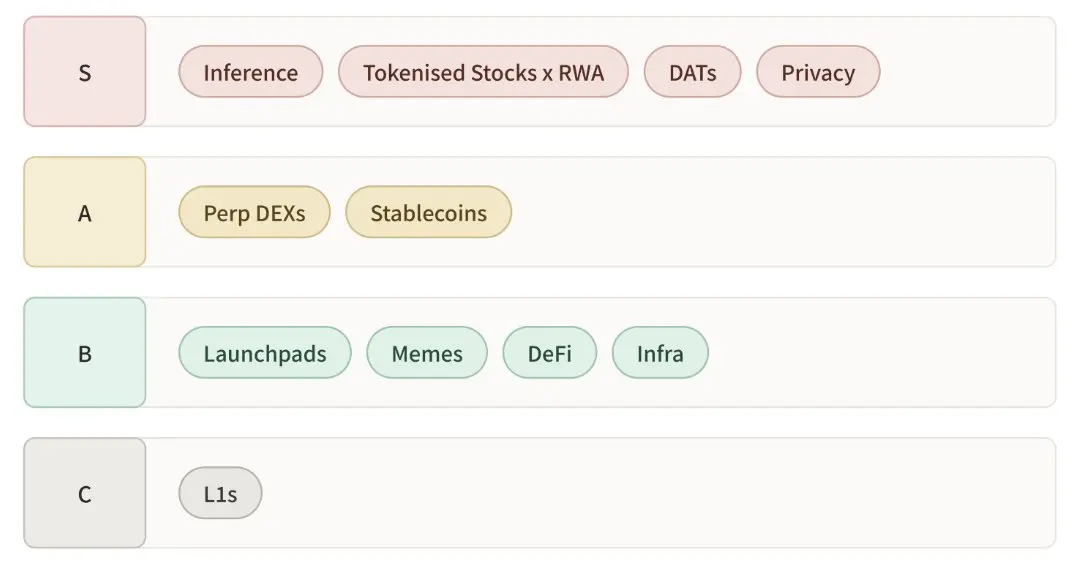
In addition, I wrote a separate section on my views on the onchain market. Simply put, I think that aside